
When most people think of Costa Rica, they imagine lush rainforests, exotic wildlife, pristine beaches, and mist covered mountains. What many visitors don’t realize is that these seemingly different landscapes are all connected by a fascinating ecological framework known as life zones.
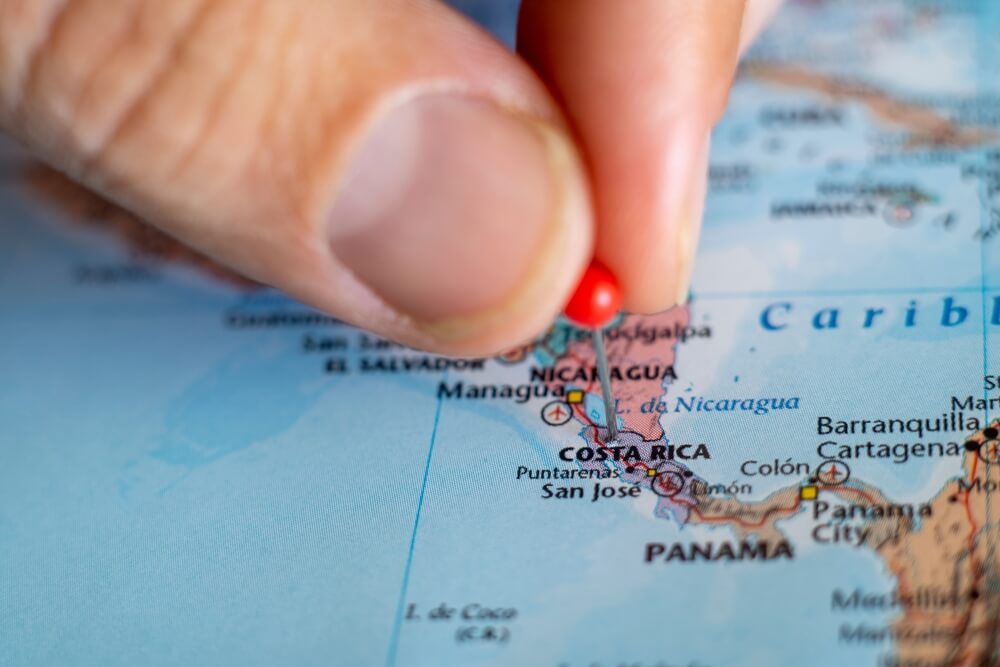
Costa Rica may cover only about 51,100 square kilometers, but within this relatively small territory lies an astonishing variety of ecosystems. In a single day, it is possible to travel from a tropical dry forest where monkeys rest under leafless trees during the dry season to a cool cloud forest draped in moss and orchids, and even reach high-elevation páramos shaped by strong winds and chilly temperatures.
This incredible diversity is not a coincidence. It is the result of Costa Rica’s unique geography, climate, and elevation, all of which have contributed to the formation of distinct life zones throughout the country.
Understanding these life zones provides a deeper appreciation for the landscapes, wildlife, and natural experiences that make Costa Rica one of the world’s most extraordinary destinations for nature lovers.
The concept of life zones was developed by ecologist Leslie Holdridge as a way to classify ecosystems based on climate. Rather than focusing on political boundaries or geographic regions, the system considers factors such as temperature, rainfall, and humidity to determine which types of vegetation and wildlife can thrive in a particular area.
Think of life zones as nature’s blueprint. They help explain why certain species are found in one part of the country but not another, why some forests remain green year-round while others experience dramatic seasonal changes, and how ecosystems shift as elevation increases.
Because climate plays such an important role in shaping habitats, life zones provide scientists, conservationists, and naturalists with a valuable tool for understanding biodiversity and ecological relationships.
Costa Rica’s remarkable ecological diversity is largely due to its location and topography.
Situated between North and South America and bordered by both the Pacific Ocean and the Caribbean Sea, the country is influenced by multiple weather systems. At the same time, mountain ranges run through its center, creating significant changes in elevation over relatively short distances.
As warm, moisture-rich air moves across the landscape, mountains influence rainfall patterns, temperatures decrease with altitude, and entirely different environmental conditions emerge. The result is a remarkable variety of habitats packed into a small geographic area.
This combination of geography, climate, and elevation has allowed Costa Rica to develop 12 major life zones. These range from Tropical Dry Forests and Tropical Moist Forests in warmer lowland regions to Tropical Wet Forests and Tropical Rain Forests that receive abundant rainfall throughout the year. At mid-elevations, ecosystems transition into Premontane Moist Forests, Premontane Wet Forests, and Premontane Rain Forests. Higher still, Lower Montane Moist Forests, Lower Montane Wet Forests, and Lower Montane Rain Forests create the cool, humid conditions often associated with cloud forests. Finally, Montane Rain Forests and the unique Subalpine Rain Páramo dominate the highest elevations of the country.
Together, these ecosystems create an ecological mosaic unlike almost anywhere else on Earth.
One of the most remarkable aspects of Costa Rica is its ability to support an extraordinary concentration of life.
Although the country occupies only a tiny fraction of the planet’s land area, it is estimated to contain approximately 5% of the world’s biodiversity. This incredible richness is possible because different life zones provide different habitats, each supporting species adapted to specific environmental conditions.
Some animals thrive in hot, dry forests where water may be scarce for months. Others depend on dense rainforest canopies, cool mountain environments, or permanently humid cloud forests. Plants have evolved similar adaptations, creating a stunning diversity of vegetation across the country.
Every life zone contributes to the larger ecological picture. Together, they support complex food webs, migration routes, pollination networks, and countless interactions that keep ecosystems functioning.
Understanding life zones is essential for protecting Costa Rica’s natural heritage.
Conservation efforts are often most effective when they consider the ecological characteristics of specific habitats. By identifying and studying different life zones, scientists can better understand species distributions, monitor environmental changes, and prioritize areas for protection.
Life zones also help researchers evaluate the potential impacts of climate change. As temperatures shift and weather patterns become less predictable, some ecosystems may experience significant changes in their distribution and composition.
Costa Rica’s commitment to conservation has helped preserve large portions of many life zones through national parks, biological reserves, wildlife refuges, and protected areas. These efforts not only safeguard biodiversity but also support clean water, carbon storage, and sustainable tourism.
For travelers, understanding life zones can transform the way they experience the country.
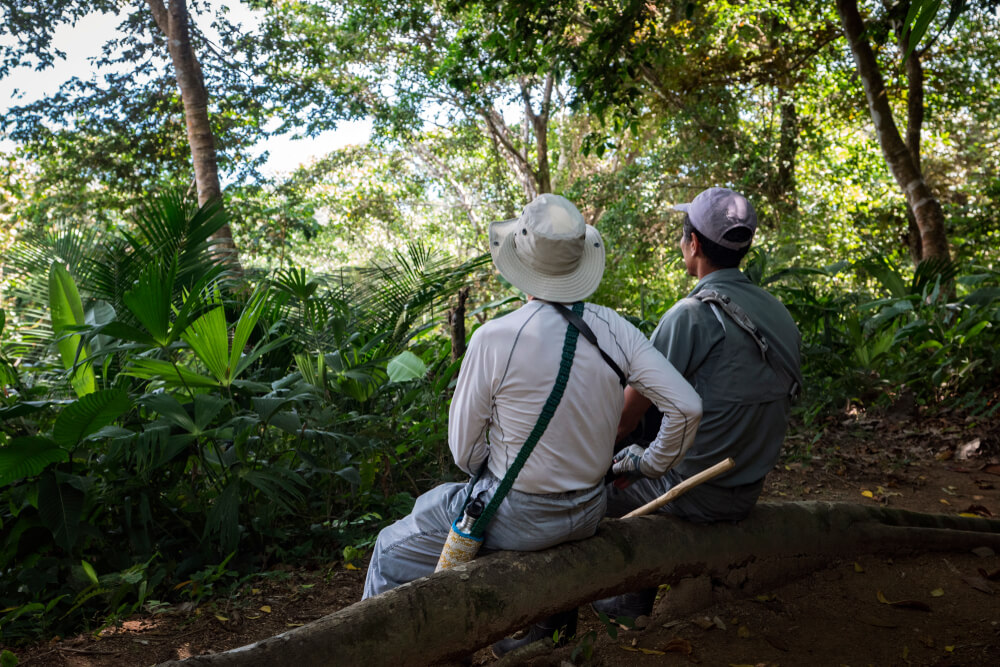
Instead of simply visiting destinations, visitors gain insight into the ecological forces that shape the landscapes around them. A walk through a dry forest becomes an opportunity to observe adaptations to seasonal drought. A hike in a cloud forest reveals how moisture, altitude, and temperature create entirely different conditions from those found at sea level.
Each life zone tells a unique story about survival, adaptation, and the interconnectedness of nature.
This perspective is particularly valuable for wildlife enthusiasts, photographers, birdwatchers, and anyone interested in exploring Costa Rica beyond its most famous attractions.
©2024 - 2026 GoNat Tour Operator, by Luzk. Todos los Derechos Reservados