
Costa Rica is often celebrated for its rainforests, cloud forests, and dramatic volcanic landscapes. Yet between the country’s wettest ecosystems and its seasonally dry regions lies a life zone that quietly supports an extraordinary diversity of life: the Tropical Moist Forest.
This ecosystem may not receive the same attention as the dense rainforests of the Caribbean or the mist-covered forests of the mountains, but its ecological importance is undeniable. Defined by abundant rainfall, warm temperatures, and a subtle balance between wet and drier periods, this forest creates conditions that allow a remarkable variety of species to thrive.
Here, nature exists in equilibrium. The forest receives enough rain to remain lush and productive, yet seasonal changes still influence flowering, fruiting, and wildlife behavior. This balance shapes an ecosystem that is dynamic, diverse, and full of surprises.
Unlike the Tropical Wet Forest, where rainfall is abundant throughout the year, the Tropical Moist Forest experiences more noticeable seasonal variation.
Rain remains an important force, but periods of reduced precipitation create natural rhythms that influence the entire ecosystem. Trees respond to changing conditions, flowering and fruiting cycles shift throughout the year, and wildlife adapts to the availability of seasonal resources.
These changes are often subtle. The forest remains green and vibrant, but careful observers can witness how plants and animals respond to the changing seasons.
This seasonal rhythm creates an ever-changing landscape where no two visits are exactly alike.
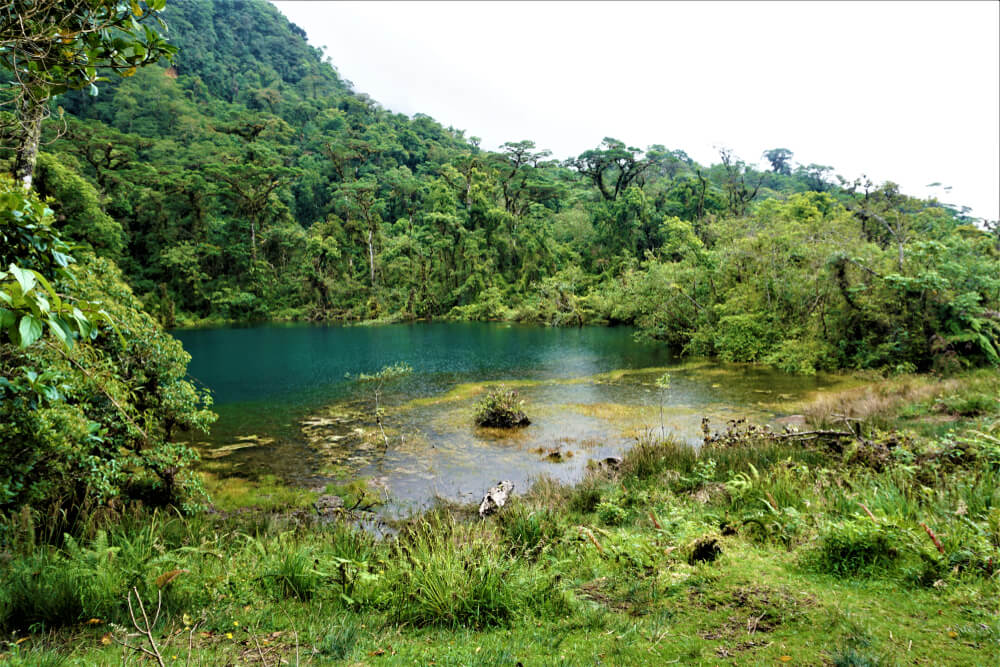
The Tropical Moist Forest is characterized by dense vegetation and a layered forest structure.
Tall canopy trees provide shelter for countless species while allowing filtered sunlight to reach the understory below. Shrubs, palms, vines, and young trees fill the lower levels of the forest, creating a rich mosaic of habitats.
The combination of moisture and sunlight supports a wide variety of plant life. Flowering trees add bursts of color to the landscape, while fruit-producing species provide essential resources for birds, mammals, and insects.
Because environmental conditions are relatively stable, the forest supports an impressive diversity of species that coexist within a complex ecological network.
One of the most fascinating aspects is the way wildlife responds to seasonal changes.
Fruiting trees attract monkeys, birds, and mammals from surrounding areas. Pollinators move between flowering plants, supporting the reproduction of countless species. Migratory birds often take advantage of the forest’s resources during different times of the year.
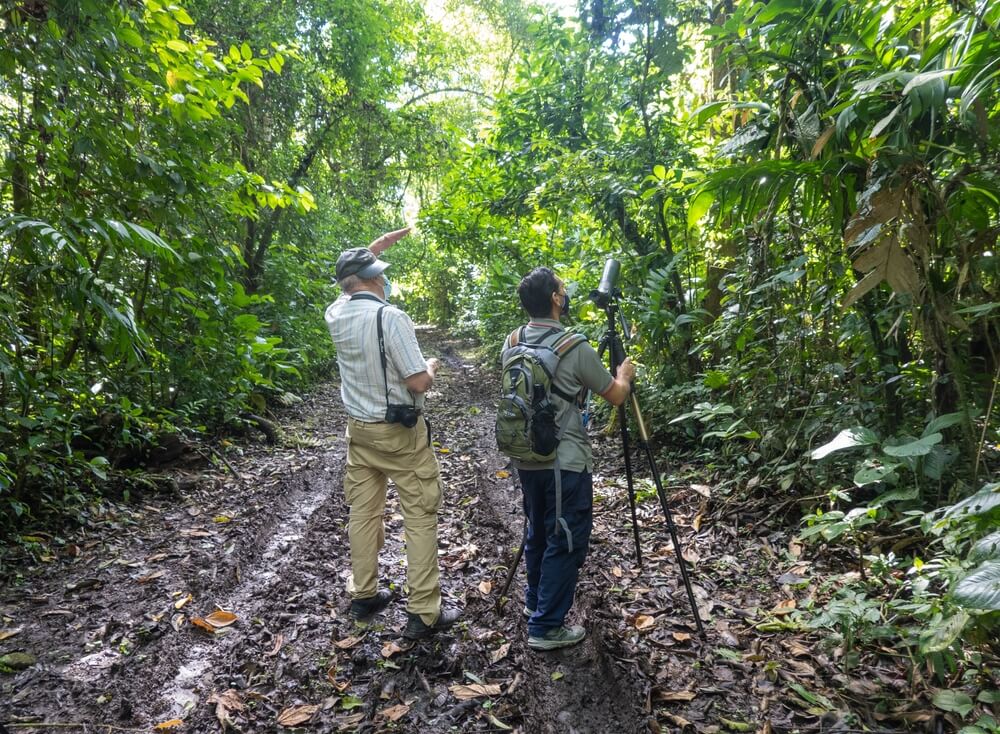
Visitors may encounter howler monkeys moving through the canopy, colorful toucans feeding on fruit, or coatis foraging along forest trails. Reptiles and amphibians thrive in humid areas, while insects perform essential roles in pollination and nutrient cycling.
The forest is constantly changing, and wildlife moves with it, creating an ecosystem that feels alive with activity.
It is often in transition zones between wetter and drier ecosystems.
Because of this, it serves as an important ecological bridge. Species from neighboring life zones may overlap here, creating unique communities that reflect influences from multiple environments.
This connectivity is essential for maintaining biodiversity. Wildlife can move between habitats, plant species can expand their ranges, and ecological processes continue across the landscape.
In many ways, this forest helps tie Costa Rica’s diverse ecosystems together.
Can be found in several important regions throughout the country.
In the Northern Zone, areas surrounding San Carlos contain landscapes influenced by this life zone, particularly in regions that transition between wetter Caribbean forests and drier interior environments.
The Maquenque National Wildlife Refuge protects important habitats where visitors can experience rich biodiversity supported by abundant rainfall and fertile lowland landscapes.
Further east, portions of Barra del Colorado Wildlife Refuge showcase ecosystems where forests, rivers, and wetlands combine to support a remarkable variety of wildlife.
Researchers and naturalists have also long recognized the ecological value of La Selva Biological Station, one of Costa Rica’s most important centers for tropical ecological research. The surrounding forests provide valuable insight into the complexity and biodiversity of tropical lowland ecosystems.
Together, these areas demonstrate the ecological richness and importance of the Tropical Moist Forest throughout Costa Rica.
While this forest may appear resilient, they face many of the same challenges affecting ecosystems around the world.
Habitat fragmentation, land-use changes, and climate variability can disrupt the delicate balance that supports biodiversity within these forests.
Protected areas play a crucial role in conserving habitat, safeguarding watersheds, and maintaining ecological connectivity across the landscape.
Conservation efforts also benefit local communities by protecting natural resources and supporting sustainable tourism opportunities that depend on healthy ecosystems.
It may not be defined by extremes, but that is precisely what makes it special.
Its beauty lies in balance, in the interplay between rainfall and sunshine, abundance and seasonality, stability and change. These conditions have created an ecosystem capable of supporting extraordinary biodiversity while connecting many of Costa Rica’s most important natural regions.
For travelers, it offers an opportunity to experience a side of Costa Rica that is often overlooked but no less remarkable. Every trail reveals evidence of nature’s adaptability, every season brings new discoveries, and every visit highlights the intricate relationships that sustain life within the forest.
In a country renowned for ecological diversity, the Tropical Moist Forest serves as a reminder that some of nature’s greatest wonders are found not in extremes, but in the harmony that exists between them.
©2024 - 2026 GoNat Tour Operator, by Luzk. All Right Reserved