
Costa Rica’s landscapes are constantly changing.
Travel a few hours from the warm lowlands and you’ll begin to notice subtle transformations. The air feels cooler. Hills become mountains. Clouds drift closer to the treetops. New plants appear along the roadside, and the forest seems to take on a different character altogether.
Welcome to the Premontane Wet Forest, a life zone that serves as a bridge between Costa Rica’s tropical lowlands and its higher mountain ecosystems.
Neither as hot as the lowland forests nor as cool as the cloud forests found at higher elevations, this ecosystem occupies a unique ecological middle ground. The result is an environment that combines the richness of tropical biodiversity with the refreshing conditions of the country’s mountainous regions.
For travelers exploring Costa Rica’s volcanic slopes, mountain valleys, and forested foothills, chances are they have already experienced this remarkable ecosystem without even realizing it.
This forest is typically found at intermediate elevations, where temperatures are milder than those of the lowlands and rainfall remains abundant throughout much of the year.
These conditions create a landscape that feels distinctly different from both the dry forests of Guanacaste and the rain-soaked lowland forests of the Caribbean.
The combination of moisture, moderate temperatures, and fertile soils allows vegetation to thrive. Forests are often dense and vibrant, with trees reaching impressive heights and a rich variety of plant species occupying every available layer of the ecosystem.
In many ways, this life zone represents a transitionnot only geographically, but ecologically as well.
One of the defining characteristics is its remarkable vegetation.
Trees often reach heights of 30 to 40 meters, creating a lush canopy that shelters a diverse understory of shrubs, palms, ferns, and young trees. Mosses, orchids, bromeliads, and other epiphytes become increasingly common as humidity rises and elevation increases.
The forest is typically evergreen, although some species may shed their leaves during drier periods. This combination of tropical and montane influences creates a highly diverse plant community that supports an equally diverse range of wildlife.
For botanists and nature lovers, these forests offer an incredible opportunity to observe the gradual ecological changes that occur as one moves higher into the mountains.
Because the Premontane Wet Forest connects different ecological regions, it often supports species from both lower and higher elevations.
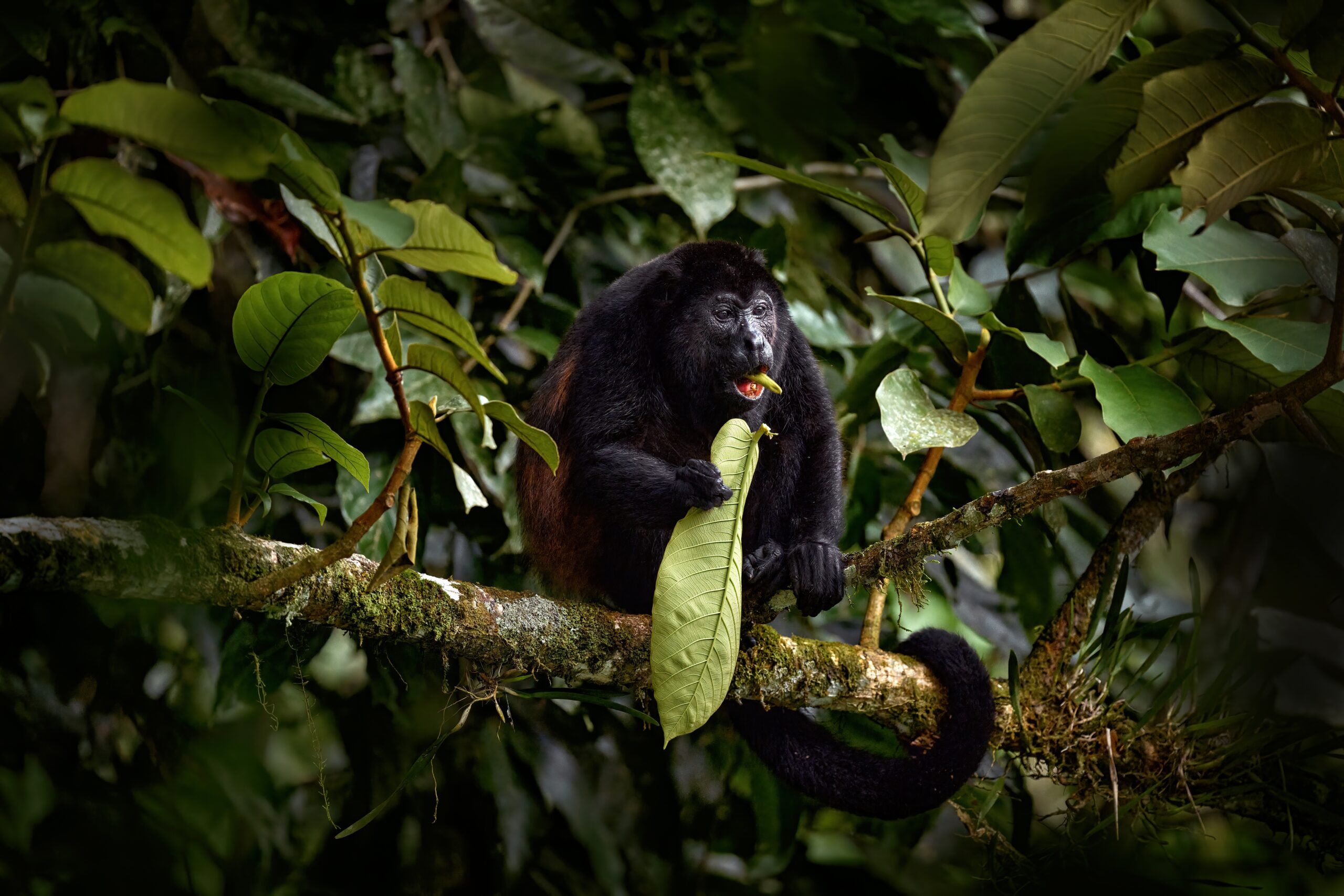
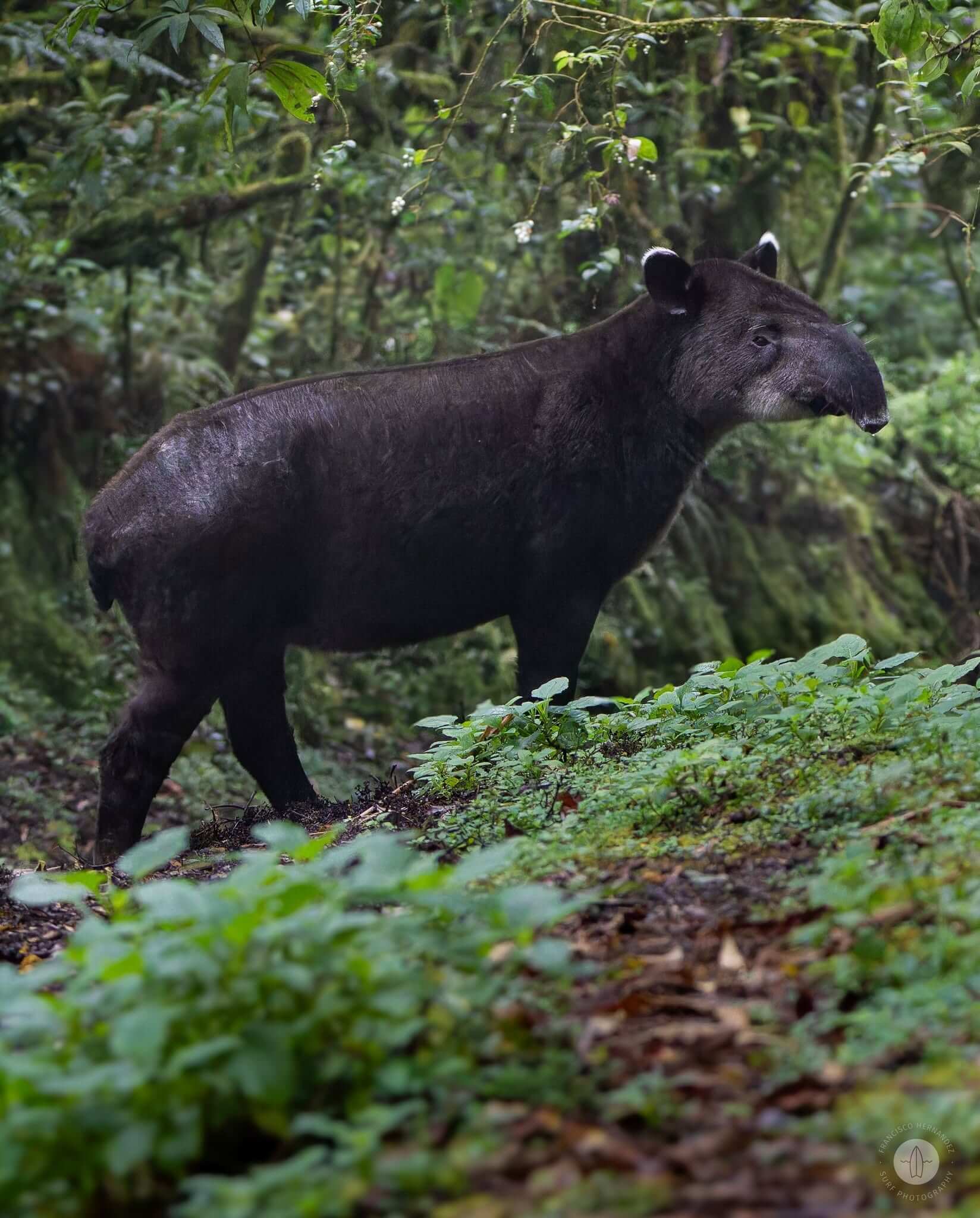
Birdlife is particularly abundant. Toucans, trogons, tanagers, hummingbirds, and many migratory species can be found throughout these forests. Mammals such as monkeys, coatis, sloths, and wild cats may also inhabit the area, depending on the region.
The abundance of flowering plants and fruiting trees provides a steady source of food for pollinators, birds, and mammals throughout much of the year.
This ecological connectivity makes the Tropical Premontane Wet Forest especially important for wildlife movement and biodiversity conservation.
For visitors, every hike presents the possibility of encountering species that reflect the unique blending of tropical and mountain environments.
The Premontane Wet Forest plays a crucial role in maintaining ecological balance across the country.
As a transition zone, it connects lowland forests with higher-elevation ecosystems, allowing wildlife to move between habitats and helping maintain genetic diversity among populations.
These forests also contribute to watershed protection by capturing rainfall and regulating water flow through mountain landscapes. Rivers and streams originating in these regions provide vital resources for both wildlife and human communities downstream.
In addition, the dense vegetation helps stabilize soils on steep slopes, reducing erosion and supporting healthy ecosystems throughout the surrounding region.
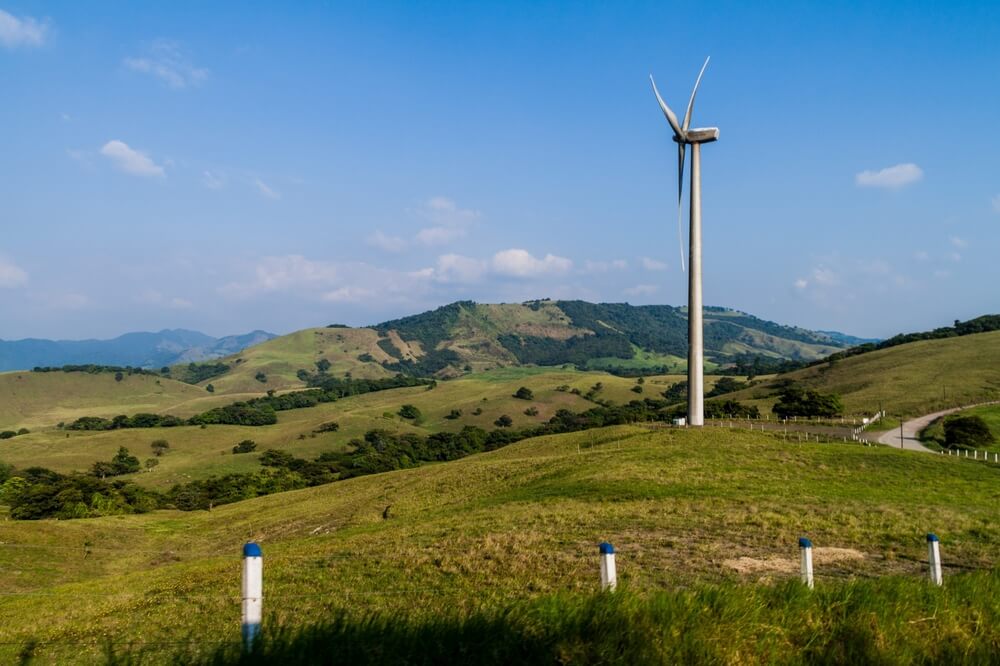
This life zone is widely distributed throughout Costa Rica’s foothills and middle elevations.
Excellent examples can be found along the slopes of the Central Volcanic Mountain Range, the Tilarán Mountains, and various foothill regions throughout the country. Visitors traveling through areas surrounding Arenal, Tenorio, and the lower elevations of Braulio Carrillo often encounter landscapes characteristic of this ecosystem.
Many of Costa Rica’s most popular nature destinations contain sections of Tropical Premontane Wet Forest, where lush vegetation, abundant wildlife, and scenic mountain views combine to create unforgettable experiences.
These forests are particularly rewarding for birdwatchers, hikers, photographers, and travelers seeking to experience the transition between Costa Rica’s lowland and mountain environments.
Unlike ecosystems defined by extremes, the Premontane Wet Forest is characterized by balance.
It is neither the hottest nor the coldest. Neither the wettest nor the driest. Instead, it exists in a space where different environmental influences meet, creating conditions that support extraordinary biodiversity.
This balance has made the ecosystem attractive not only to wildlife but also to human communities for generations. Its moderate climate and fertile landscapes have shaped many of the regions where people live, work, and explore today.
Yet despite its accessibility, the ecological value of these forests cannot be overstated.
This forest reveals a different side of Costa Rica’s natural diversity.
Here, tropical abundance meets mountain tranquility. Dense forests cover rolling hills, wildlife moves between ecosystems, and clouds begin their journey toward the higher elevations where cloud forests await.
For travelers, it is a place of transition and discovery. For wildlife, it is a vital corridor connecting some of the country’s most important habitats.
And for Costa Rica, it is another reminder that the country’s greatest natural treasure is not found in a single ecosystem, but in the extraordinary diversity of landscapes that exist between sea level and the highest peaks.
This forest may be a transition zone, but it is far more than a passage between ecosystems—it is a destination worthy of exploration in its own right.
©2024 - 2026 GoNat Tour Operator, by Luzk. All Right Reserved