
When people imagine Costa Rica, they often picture lush rainforests, dense jungle canopies, and landscapes overflowing with greenery. Yet in the northwestern corner of the country, nature tells a different story.
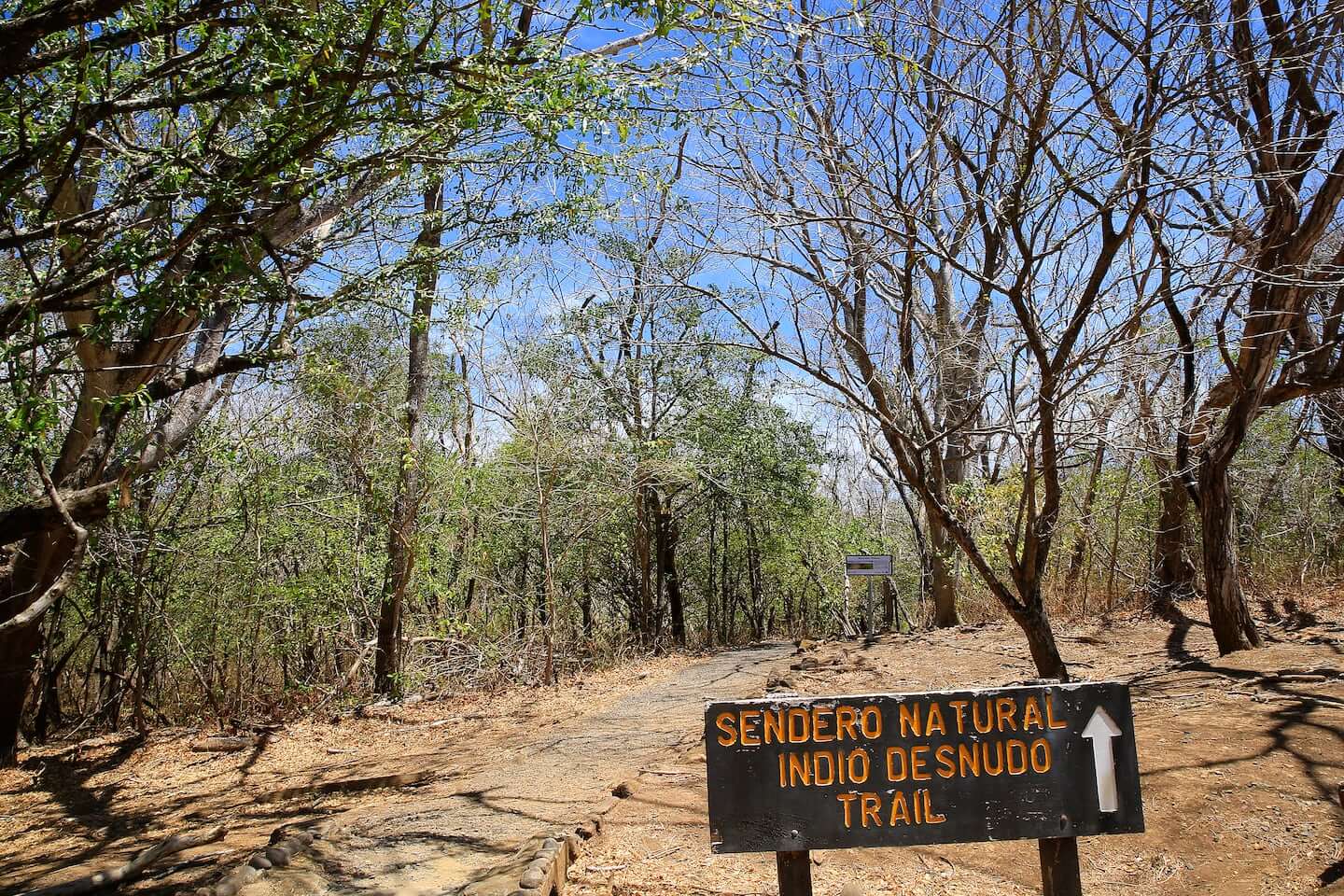
For several months each year, the landscape transforms. Trees shed their leaves, grasses turn golden, and the forest takes on a completely different appearance. At first glance, it may seem less vibrant than Costa Rica’s rainforests, but a closer look reveals one of the country’s most fascinating and resilient ecosystems.
Shaped by long periods without significant rainfall, this life zone has evolved remarkable strategies for survival. Plants, animals, and entire ecological communities have adapted to conditions that would challenge many other ecosystems, creating a landscape that is both unique and essential to Costa Rica’s natural heritage.
Today,it stands as one of the rarest and most threatened tropical ecosystems in the world, making its conservation more important than ever.
Unlike Costa Rica’s wetter ecosystems, the Tropical Dry Forest experiences a pronounced dry season that can last several months.
During this period, rainfall becomes scarce and water conservation becomes a matter of survival. Many trees respond by shedding their leaves, reducing water loss and conserving energy until the rains return.
This seasonal transformation dramatically changes the appearance of the landscape. What may be a lush green forest during the rainy season can appear open and sunlit during the dry months, allowing visitors to observe wildlife more easily.
When the first rains arrive, the forest undergoes a remarkable rebirth. Trees quickly produce new leaves, flowers emerge, and the entire ecosystem seems to awaken almost overnight.
This cycle of dormancy and renewal is one of the defining characteristics of the Tropical Dry Forest.
Life in a dry forest requires resilience.
Many plant species have developed specialized adaptations that allow them to survive prolonged periods without water. Deep root systems help trees access underground moisture, while thick bark and small leaves reduce water loss.
Some species store water within their tissues, while others time their flowering and fruit production to coincide with seasonal rains.
Wildlife has adapted as well. Mammals, reptiles, birds, and insects have evolved behaviors that help them cope with changing environmental conditions. Some become more active during cooler hours of the day, while others take advantage of seasonal food sources that appear only during certain times of the year.
These adaptations have created an ecosystem where survival depends on flexibility, efficiency, and timing.
Although it may appear less dense than a rainforest, the Tropical Dry Forest supports an impressive variety of wildlife.
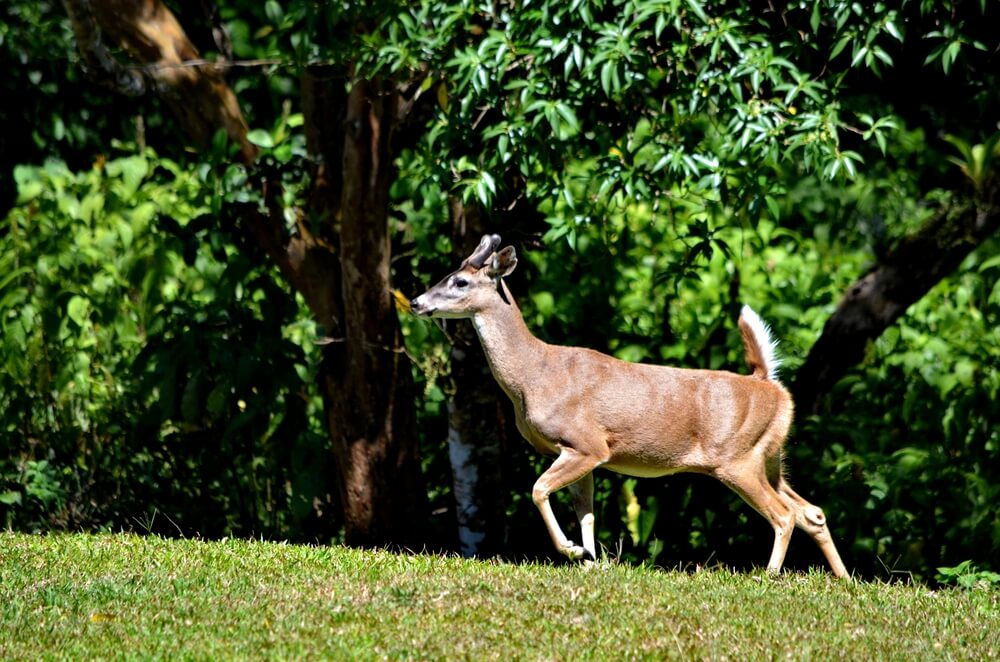
Howler monkeys are among the most recognizable inhabitants, their powerful calls carrying across the landscape during the early morning hours. White-tailed deer, coatis, armadillos, and a variety of reptiles are also commonly associated with this ecosystem.
Birdlife is particularly abundant. Parrots, parakeets, motmots, trogons, and numerous migratory species find food and shelter within the forest throughout the year.
The seasonal nature of the ecosystem creates constantly changing opportunities for wildlife. Flowering trees attract pollinators, fruiting plants provide food for birds and mammals, and temporary water sources become gathering points for many species during the dry season.
For wildlife enthusiasts, the Tropical Dry Forest offers a completely different experience from Costa Rica’s wetter regions.
Tropical Dry Forests once covered large portions of Central America, but much of this habitat has been lost due to agriculture, cattle ranching, and development.
As a result, remaining areas have become increasingly valuable for conservation.
Costa Rica has played an important role in protecting what remains of this ecosystem. Through national parks, wildlife refuges, and conservation initiatives, significant portions of Tropical Dry Forest have been preserved, allowing wildlife populations and native vegetation to recover.
These protected areas not only safeguard biodiversity but also provide opportunities for scientific research, environmental education, and sustainable tourism.
Today, Costa Rica is considered one of the best places in the world to experience and study Tropical Dry Forest ecosystems.
The Tropical Dry Forest is most closely associated with the province of Guanacaste, where warm temperatures and seasonal rainfall create ideal conditions for this ecosystem.
Some of the country’s most important protected areas showcase its unique landscapes and biodiversity.
Among them, Santa Rosa National Park stands out as one of Costa Rica’s most significant conservation success stories. Its forests protect a wide variety of plant and animal species while preserving one of the largest remaining examples of Tropical Dry Forest in Central America.
Nearby, Guanacaste National Park and Rincón de la Vieja National Park help connect protected habitats across the region, creating important wildlife corridors.
Visitors exploring these areas can witness the dramatic seasonal changes that define the ecosystem while enjoying excellent opportunities for wildlife observation, hiking, and nature photography.
The Tropical Dry Forest is more than a collection of trees adapted to drought.
It is a living example of nature’s ability to endure and adapt. Every leaf shed during the dry season, every deep root searching for water, and every animal adjusting its behavior reflects millions of years of evolution in response to environmental challenges.
This resilience is what makes the ecosystem so remarkable.
Despite seasonal hardships, life continues to thrive, demonstrating that biodiversity is not defined solely by abundance, but also by the incredible strategies that species develop to survive.
For travelers seeking a deeper understanding of Costa Rica’s natural diversity, the Tropical Dry Forest offers a perspective that is often overlooked.
Its beauty is more subtle than that of a rainforest, yet no less captivating. The changing seasons, unique wildlife, and extraordinary adaptations found here reveal a side of nature that rewards patience and observation.
Exploring a Tropical Dry Forest is a reminder that Costa Rica’s biodiversity extends far beyond lush green landscapes. It is a country of remarkable ecological contrasts, where each life zone tells a different story about survival, adaptation, and the interconnectedness of the natural world.
And among those stories, few are as inspiring as that of the Tropical Dry Forest, an ecosystem that has learned not only to survive adversity, but to flourish because of it.
©2024 - 2026 GoNat Tour Operator, by Luzk. All Right Reserved