
Located in the central highlands of Costa Rica, Poás Volcano National Park is one of the most fascinating and accessible natural destinations in the country. Just a short distance from San José, this remarkable park offers visitors the rare opportunity to witness the power of an active volcano from a safe and close perspective.
At the heart of the park lies the impressive Poás Volcano, famous for its विशाल crater and striking acidic lake. Unlike many other volcanoes in Costa Rica, Poás allows travelers to experience volcanic activity in a way that feels both dramatic and accessible.
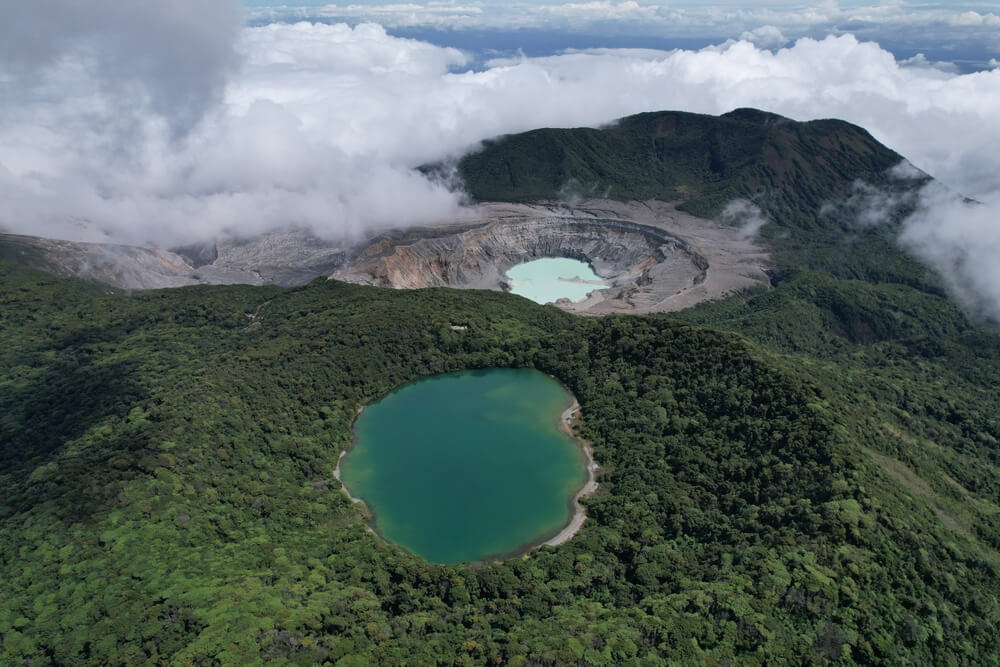
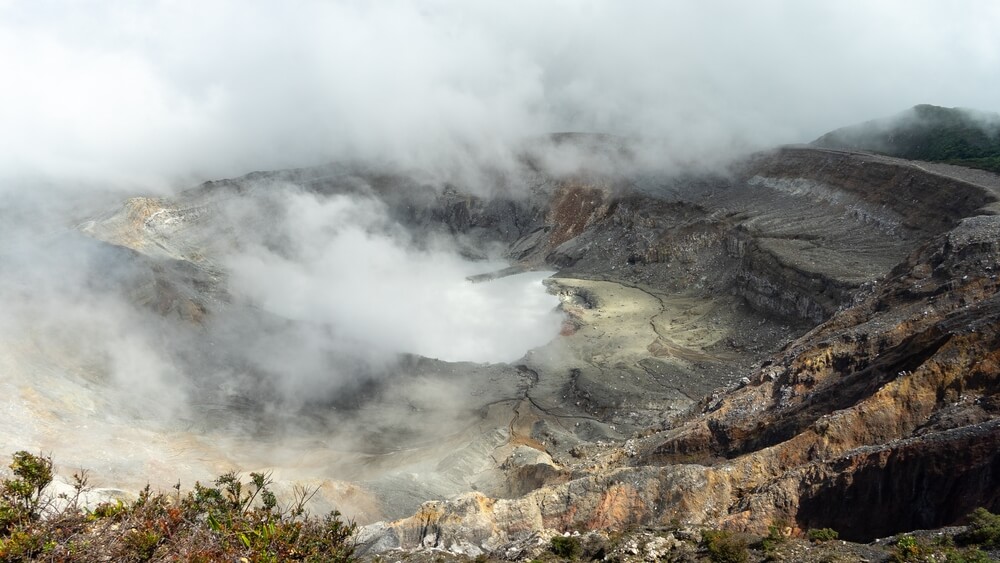
Poás Volcano is one of the most active volcanoes in Costa Rica, known for its frequent gas emissions, geothermal activity, and occasional eruptions. Its main crater is among the largest in the world, stretching over 1.5 kilometers in diameter.
Inside the crater lies a highly acidic lake, often displaying shades of turquoise, gray, or green depending on volcanic activity. Steam and gas rise constantly from the surface, creating a surreal and almost otherworldly atmosphere.
Unlike the more tranquil presence of Arenal Volcano, Poás offers a more raw and dynamic expression of Earth’s internal forces, making it a must-visit for travelers interested in geology and natural phenomena.
The environment inside Poás Volcano National Park is unlike the dense rainforests typically associated with Costa Rica. Instead, the terrain reflects the powerful influence of volcanic gases and mineral-rich soil.
Vegetation here has adapted to extreme conditions, resulting in a unique ecosystem where hardy plants thrive despite acidic environments and changing weather patterns. The landscape feels open, rugged, and dramatic, offering a completely different experience compared to other national parks.
One of the park’s most beautiful contrasts can be found at Botos Lagoon, a dormant crater filled with a peaceful green lake and surrounded by cloud forest. This serene setting stands in stark contrast to the active main crater, highlighting the diverse nature of the park.
One of the defining features of Poás Volcano National Park is how easy it is to explore. Unlike many volcanic destinations that require long hikes, Poás offers short and well-maintained trails that provide access to incredible viewpoints.
Visitors can experience:
This accessibility makes Poás an ideal destination for travelers of all ages, including those looking for a less physically demanding experience without sacrificing the sense of adventure.
Although the volcanic activity creates challenging conditions, the park is home to a variety of species adapted to this environment.
Visitors may encounter:
The interaction between volcanic activity and life makes the park an interesting destination not only for sightseeing but also for understanding how ecosystems adapt and evolve.
What truly sets Poás Volcano National Park apart from other destinations in Costa Rica is the immediacy of the experience.
In many places around the world, observing an active volcano requires long treks or distant viewpoints. At Poás, visitors can stand at the edge of a massive crater and witness volcanic activity up close within minutes.
The combination of accessibility, active geology, and contrasting landscapes creates an experience that feels both powerful and intimate.
The best time to visit Poás Volcano National Park is early in the morning. The high elevation of the park means that clouds often roll in later in the day, potentially obscuring the view of the crater.
During the dry season (December to April), visitors are more likely to experience clear skies and uninterrupted views. However, the green season offers lush surroundings and a quieter atmosphere, which can also enhance the experience.
Timing your visit properly can make a significant difference in what you are able to see.
Many travelers visiting Costa Rica wonder how Poás Volcano compares to Arenal Volcano, another iconic destination in the country.
While both offer incredible experiences, they are quite different:
Poás is ideal for travelers who want a quick yet powerful volcanic experience, while Arenal offers a broader destination with more activities and extended exploration.
Visiting both provides a deeper understanding of Costa Rica’s volcanic diversity.
Located in the central highlands of Costa Rica, Poás Volcano National Park is one of the most fascinating and accessible natural destinations in the country. Just a short distance from San José, this remarkable park offers visitors the rare opportunity to witness the power of an active volcano from a safe and close perspective.
At the heart of the park lies the impressive Poás Volcano, famous for its विशाल crater and striking acidic lake. Unlike many other volcanoes in Costa Rica, Poás allows travelers to experience volcanic activity in a way that feels both dramatic and accessible.
Poás Volcano is one of the most active volcanoes in Costa Rica, known for its frequent gas emissions, geothermal activity, and occasional eruptions. Its main crater is among the largest in the world, stretching over 1.5 kilometers in diameter.
Inside the crater lies a highly acidic lake, often displaying shades of turquoise, gray, or green depending on volcanic activity. Steam and gas rise constantly from the surface, creating a surreal and almost otherworldly atmosphere.
Unlike the more tranquil presence of Arenal Volcano, Poás offers a more raw and dynamic expression of Earth’s internal forces, making it a must-visit for travelers interested in geology and natural phenomena.
The environment inside Poás Volcano National Park is unlike the dense rainforests typically associated with Costa Rica. Instead, the terrain reflects the powerful influence of volcanic gases and mineral-rich soil.
Vegetation here has adapted to extreme conditions, resulting in a unique ecosystem where hardy plants thrive despite acidic environments and changing weather patterns. The landscape feels open, rugged, and dramatic, offering a completely different experience compared to other national parks.
One of the park’s most beautiful contrasts can be found at Botos Lagoon, a dormant crater filled with a peaceful green lake and surrounded by cloud forest. This serene setting stands in stark contrast to the active main crater, highlighting the diverse nature of the park.
One of the defining features of Poás Volcano National Park is how easy it is to explore. Unlike many volcanic destinations that require long hikes, Poás offers short and well-maintained trails that provide access to incredible viewpoints.
Visitors can experience:
This accessibility makes Poás an ideal destination for travelers of all ages, including those looking for a less physically demanding experience without sacrificing the sense of adventure.
Although the volcanic activity creates challenging conditions, the park is home to a variety of species adapted to this environment.
Visitors may encounter:
The interaction between volcanic activity and life makes the park an interesting destination not only for sightseeing but also for understanding how ecosystems adapt and evolve.
What truly sets Poás Volcano National Park apart from other destinations in Costa Rica is the immediacy of the experience.
In many places around the world, observing an active volcano requires long treks or distant viewpoints. At Poás, visitors can stand at the edge of a massive crater and witness volcanic activity up close within minutes.
The combination of accessibility, active geology, and contrasting landscapes creates an experience that feels both powerful and intimate.
The best time to visit Poás Volcano National Park is early in the morning. The high elevation of the park means that clouds often roll in later in the day, potentially obscuring the view of the crater.
During the dry season (December to April), visitors are more likely to experience clear skies and uninterrupted views. However, the green season offers lush surroundings and a quieter atmosphere, which can also enhance the experience.
Timing your visit properly can make a significant difference in what you are able to see.
Many travelers visiting Costa Rica wonder how Poás Volcano compares to Arenal Volcano, another iconic destination in the country.
While both offer incredible experiences, they are quite different:
Poás is ideal for travelers who want a quick yet powerful volcanic experience, while Arenal offers a broader destination with more activities and extended exploration.
Visiting both provides a deeper understanding of Costa Rica’s volcanic diversity.
©2024 - 2026 GoNat Tour Operator, by Luzk. All Right Reserved