
Costa Rica is often celebrated for its tropical beaches, lush rainforests, and mist-covered cloud forests. Yet between the warm lowlands and the country’s highest mountain ecosystems lies a landscape that quietly tells another story.
Here, the air becomes noticeably cooler. Rolling hills replace broad tropical plains, and forests begin to reflect the changing conditions of higher elevations. Towering rainforest giants become less common, giving way to woodlands shaped by cooler temperatures, fertile volcanic soils, and a gentler rhythm of the seasons.
Welcome to the Lower Montane Moist Forest, a life zone that represents the beginning of Costa Rica’s true highlands.
Although it rarely receives the same attention as the country’s famous cloud forests, this ecosystem plays an essential role in protecting biodiversity, safeguarding water resources, and preserving the natural character of Costa Rica’s mountainous interior.
The Lower Montane Moist Forest occupies elevations generally ranging between 1,400 and 2,100 meters above sea level.
At these heights, temperatures are noticeably cooler than those of the tropical lowlands, creating conditions that support a unique blend of plant and animal life. Rainfall remains abundant enough to sustain evergreen forests, but precipitation is generally lower than in neighboring wet and rain forest life zones.
These milder conditions have shaped an ecosystem that feels remarkably different from the humid jungles below.
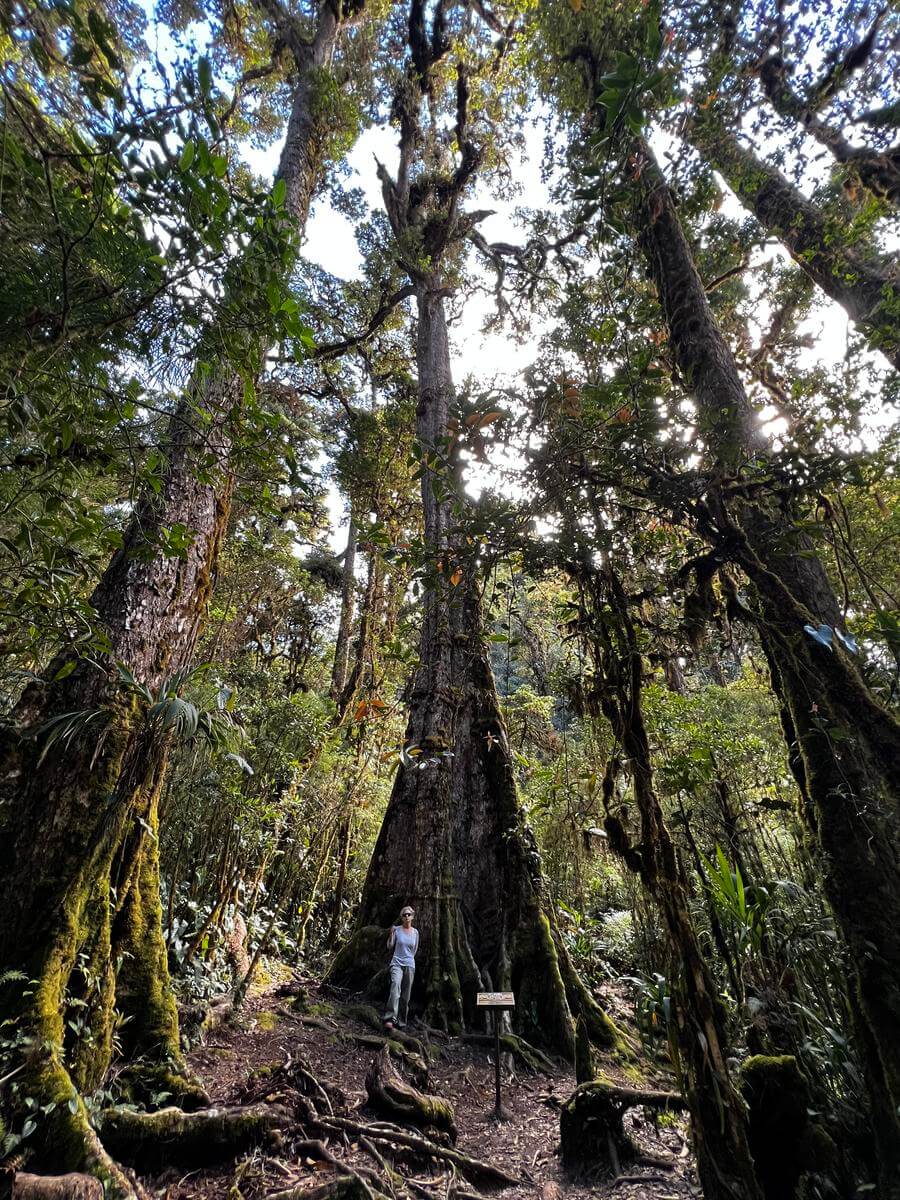
Rather than dense tropical canopies dripping with moisture, visitors encounter forests that are more open, allowing sunlight to filter through the branches and illuminate a rich understory of ferns, shrubs, and native wildflowers.
One of the most distinctive features of the Lower Montane Moist Forest is its vegetation.
Many forests within this life zone are dominated by native oak species, creating landscapes that differ significantly from Costa Rica’s better-known tropical forests. These sturdy trees are well adapted to cooler mountain climates and provide shelter for countless organisms.
The forest itself is typically evergreen, with two well-defined vegetation layers. Mosses, lichens, orchids, and bromeliads are present, though generally less abundant than in wetter montane ecosystems.
This combination creates forests that feel open, peaceful, and remarkably inviting, where every season offers subtle changes in color, flowering, and wildlife activity.
As temperatures decrease, so does the composition of wildlife.
Many species found in Costa Rica’s warmer lowlands become less common, while birds and mammals adapted to mountain environments begin to dominate the landscape.
Birdwatchers are especially drawn to these forests, where colorful tanagers, hummingbirds, woodpeckers, and other highland species thrive among the oak canopies.
Small mammals, amphibians, reptiles, and countless insects also contribute to the ecological richness of the ecosystem. Pollinators move between flowering plants throughout the year, while fallen leaves enrich the fertile mountain soils that sustain new generations of vegetation.
The Lower Montane Moist Forest may appear quieter than the rainforest, but its biodiversity is no less remarkable.
Beyond its beauty, this ecosystem performs essential environmental functions.
The forests protect mountain slopes from erosion while helping regulate the flow of rainwater into rivers and streams below. Healthy forest cover allows water to infiltrate the soil gradually, reducing runoff and supporting reliable freshwater supplies for surrounding communities.
These forests also protect volcanic soils that rank among the most fertile in Costa Rica, contributing to the long-term stability of mountain landscapes.
Together, these ecological services benefit not only wildlife but also agriculture, local communities, and the country’s broader watershed network.
Although much of Costa Rica’s original Lower Montane Moist Forest has been transformed over time, important examples still survive within protected landscapes and mountain communities.
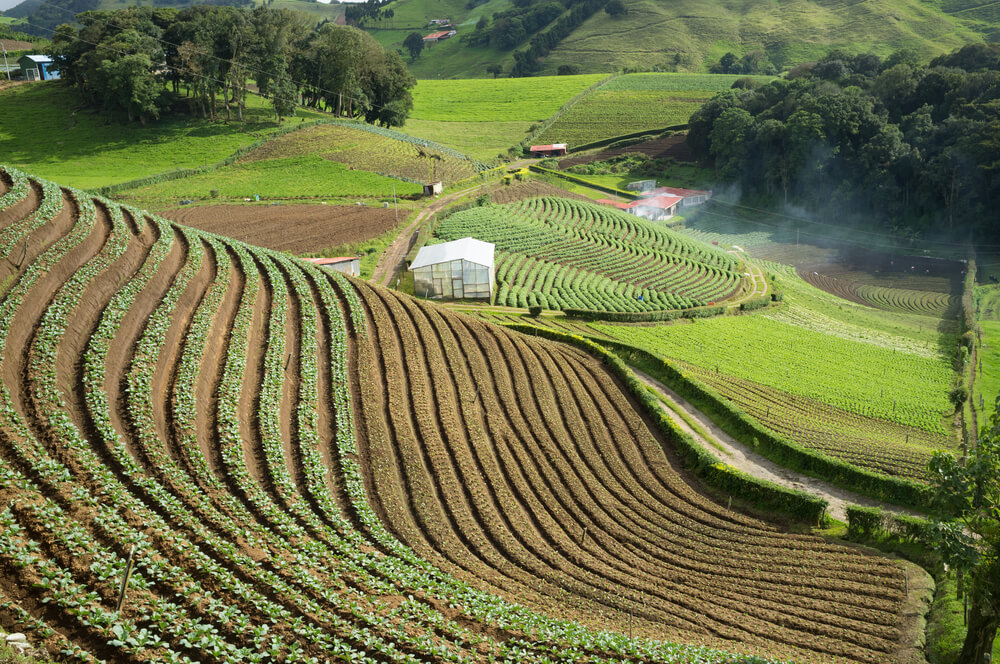
The highlands surrounding the town of Zarcero provide one of the country’s best examples of this life zone, where cool temperatures, rolling hills, and native forests create a landscape unlike anywhere else in Costa Rica.
Visitors can also experience characteristics of this ecosystem in portions of Poás Volcano National Park, particularly along its forested slopes, as well as in sections of Irazú Volcano National Park and the surrounding Ochomogo highlands, where the cooler climate supports vegetation typical of this life zone.
Together, these landscapes offer visitors an opportunity to discover a quieter side of Costa Rica—one defined not by towering rainforest trees, but by cool mountain forests rich in ecological significance.
Because of its comfortable climate and fertile soils, the Lower Montane Moist Forest has long attracted human settlement.
Many mountain communities have developed within or near this life zone, where favorable conditions support agriculture, dairy farming, and horticulture. Over time, much of the original forest was converted for these activities, leaving only scattered remnants of the native ecosystem.
These remaining forests are therefore especially valuable. They preserve native biodiversity while continuing to provide clean water, stabilize mountain slopes, and connect larger protected areas across Costa Rica’s central highlands.
Their conservation demonstrates that even landscapes shaped by people can continue to support thriving natural ecosystems.
The Lower Montane Moist Forest reminds us that Costa Rica’s beauty is not limited to tropical rainforests or dramatic volcanoes.
It lives equally within cool oak woodlands, fertile valleys, and peaceful mountain forests where nature and people have shared the landscape for generations.
For travelers, this ecosystem offers a chance to experience a different rhythm of Costa Rica—one where fresh mountain air, scenic hillsides, and quiet forest trails reveal the country’s remarkable ecological diversity.
As the journey into higher elevations continues, these forests mark the beginning of a new chapter in Costa Rica’s natural story, preparing the way for the wetter, mist-covered mountain ecosystems that lie just beyond.
Costa Rica is often celebrated for its tropical beaches, lush rainforests, and mist-covered cloud forests. Yet between the warm lowlands and the country’s highest mountain ecosystems lies a landscape that quietly tells another story.
Here, the air becomes noticeably cooler. Rolling hills replace broad tropical plains, and forests begin to reflect the changing conditions of higher elevations. Towering rainforest giants become less common, giving way to woodlands shaped by cooler temperatures, fertile volcanic soils, and a gentler rhythm of the seasons.
Welcome to the Lower Montane Moist Forest, a life zone that represents the beginning of Costa Rica’s true highlands.
Although it rarely receives the same attention as the country’s famous cloud forests, this ecosystem plays an essential role in protecting biodiversity, safeguarding water resources, and preserving the natural character of Costa Rica’s mountainous interior.
The Lower Montane Moist Forest occupies elevations generally ranging between 1,400 and 2,100 meters above sea level.
At these heights, temperatures are noticeably cooler than those of the tropical lowlands, creating conditions that support a unique blend of plant and animal life. Rainfall remains abundant enough to sustain evergreen forests, but precipitation is generally lower than in neighboring wet and rain forest life zones.
These milder conditions have shaped an ecosystem that feels remarkably different from the humid jungles below.
Rather than dense tropical canopies dripping with moisture, visitors encounter forests that are more open, allowing sunlight to filter through the branches and illuminate a rich understory of ferns, shrubs, and native wildflowers.
One of the most distinctive features of the Lower Montane Moist Forest is its vegetation.
Many forests within this life zone are dominated by native oak species, creating landscapes that differ significantly from Costa Rica’s better-known tropical forests. These sturdy trees are well adapted to cooler mountain climates and provide shelter for countless organisms.
The forest itself is typically evergreen, with two well-defined vegetation layers. Mosses, lichens, orchids, and bromeliads are present, though generally less abundant than in wetter montane ecosystems.
This combination creates forests that feel open, peaceful, and remarkably inviting, where every season offers subtle changes in color, flowering, and wildlife activity.
As temperatures decrease, so does the composition of wildlife.
Many species found in Costa Rica’s warmer lowlands become less common, while birds and mammals adapted to mountain environments begin to dominate the landscape.
Birdwatchers are especially drawn to these forests, where colorful tanagers, hummingbirds, woodpeckers, and other highland species thrive among the oak canopies.
Small mammals, amphibians, reptiles, and countless insects also contribute to the ecological richness of the ecosystem. Pollinators move between flowering plants throughout the year, while fallen leaves enrich the fertile mountain soils that sustain new generations of vegetation.
The Lower Montane Moist Forest may appear quieter than the rainforest, but its biodiversity is no less remarkable.
Beyond its beauty, this ecosystem performs essential environmental functions.
The forests protect mountain slopes from erosion while helping regulate the flow of rainwater into rivers and streams below. Healthy forest cover allows water to infiltrate the soil gradually, reducing runoff and supporting reliable freshwater supplies for surrounding communities.
These forests also protect volcanic soils that rank among the most fertile in Costa Rica, contributing to the long-term stability of mountain landscapes.
Together, these ecological services benefit not only wildlife but also agriculture, local communities, and the country’s broader watershed network.
Although much of Costa Rica’s original Lower Montane Moist Forest has been transformed over time, important examples still survive within protected landscapes and mountain communities.
The highlands surrounding the town of Zarcero provide one of the country’s best examples of this life zone, where cool temperatures, rolling hills, and native forests create a landscape unlike anywhere else in Costa Rica.
Visitors can also experience characteristics of this ecosystem in portions of Poás Volcano National Park, particularly along its forested slopes, as well as in sections of Irazú Volcano National Park and the surrounding Ochomogo highlands, where the cooler climate supports vegetation typical of this life zone.
Together, these landscapes offer visitors an opportunity to discover a quieter side of Costa Rica—one defined not by towering rainforest trees, but by cool mountain forests rich in ecological significance.
Because of its comfortable climate and fertile soils, the Lower Montane Moist Forest has long attracted human settlement.
Many mountain communities have developed within or near this life zone, where favorable conditions support agriculture, dairy farming, and horticulture. Over time, much of the original forest was converted for these activities, leaving only scattered remnants of the native ecosystem.
These remaining forests are therefore especially valuable. They preserve native biodiversity while continuing to provide clean water, stabilize mountain slopes, and connect larger protected areas across Costa Rica’s central highlands.
Their conservation demonstrates that even landscapes shaped by people can continue to support thriving natural ecosystems.
The Lower Montane Moist Forest reminds us that Costa Rica’s beauty is not limited to tropical rainforests or dramatic volcanoes.
It lives equally within cool oak woodlands, fertile valleys, and peaceful mountain forests where nature and people have shared the landscape for generations.
For travelers, this ecosystem offers a chance to experience a different rhythm of Costa Rica—one where fresh mountain air, scenic hillsides, and quiet forest trails reveal the country’s remarkable ecological diversity.
As the journey into higher elevations continues, these forests mark the beginning of a new chapter in Costa Rica’s natural story, preparing the way for the wetter, mist-covered mountain ecosystems that lie just beyond.
©2024 - 2026 GoNat Tour Operator, by Luzk. Todos los Derechos Reservados