
Costa Rica stands out as one of the few countries in the world without a standing army. While many travelers are drawn to its rainforests, wildlife, and beaches, there is a deeper story behind what makes this destination so unique.
The absence of a military is not accidental,it is the result of a historic decision that reshaped the country’s priorities and helped define its national identity. Today, that decision continues to influence the way Costa Rica invests in its people, its environment, and the overall experience it offers to visitors.
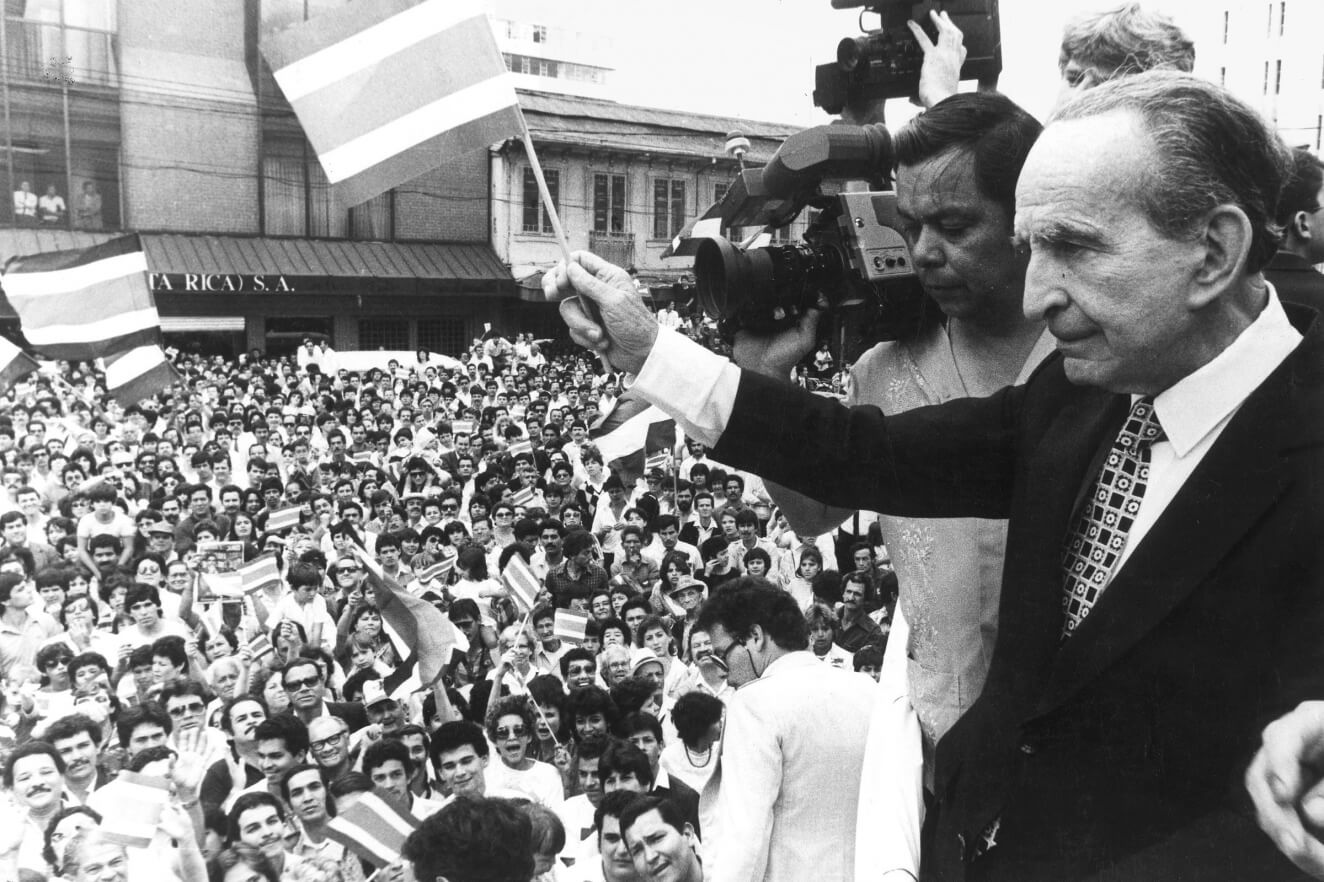
In 1948, after a brief civil conflict, Costa Rica abolished its army under the leadership of José Figueres Ferrer.
Rather than continuing to invest in military forces, the country chose to redirect those resources toward building a stronger and more inclusive society. This decision was later formalized in the constitution, ensuring that future generations would benefit from a nation focused on peace and long-term development.
This moment marked the beginning of a new national vision,one centered on stability, opportunity, and sustainability.
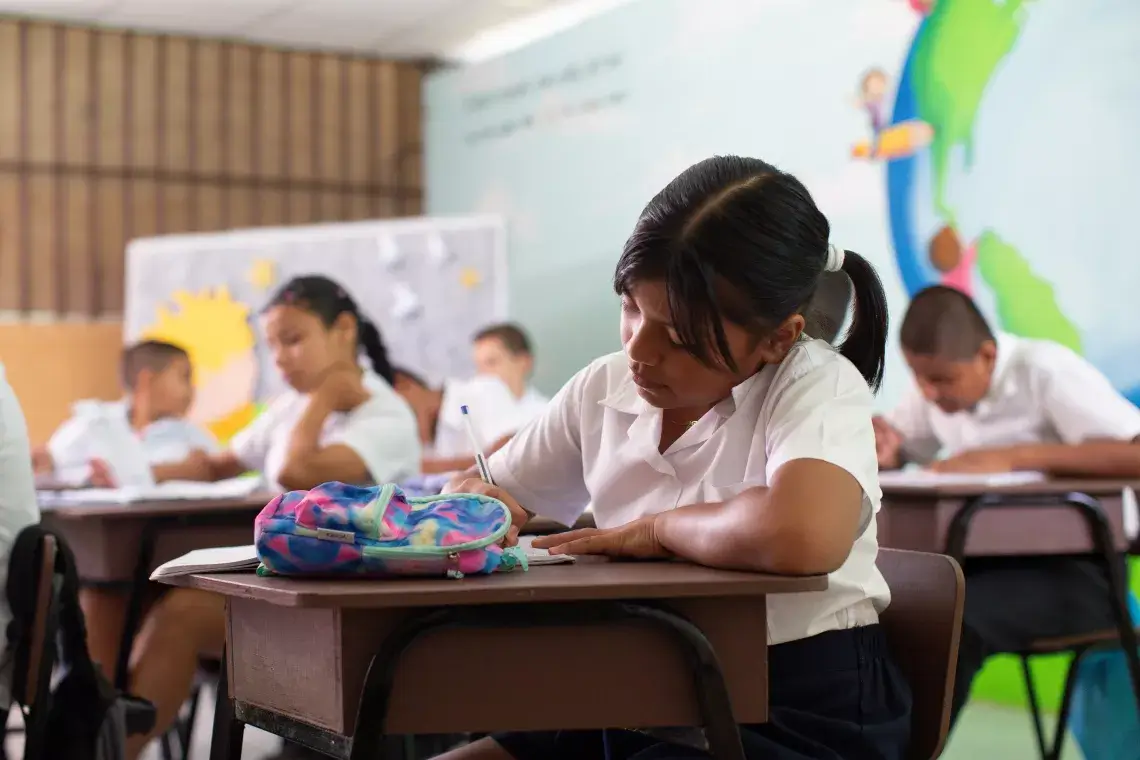
One of the most important outcomes of this decision was the expansion of Costa Rica’s education system.
With more resources available, the country invested in building schools, improving access in rural areas, and strengthening teacher training. Institutions such as the Ministry of Public Education Costa Rica continue to support a system designed to be inclusive and forward-thinking.
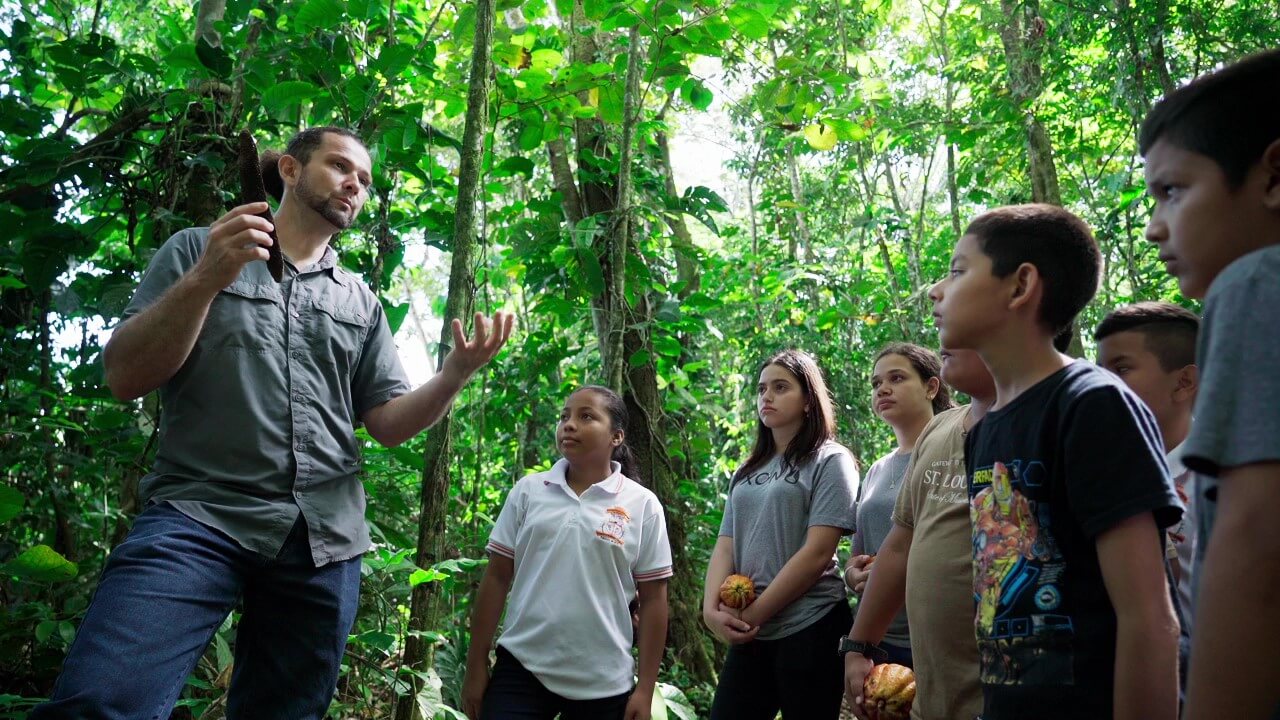
Education in Costa Rica goes beyond academics. It also emphasizes values such as environmental awareness, social responsibility, and critical thinking.
From an early age, students are encouraged to understand the importance of protecting natural resources and contributing to their communities. This has helped shape a society that values knowledge and long-term progress.
Costa Rica also used this opportunity to strengthen its healthcare system, focusing on accessibility and prevention.
Managed by the Costa Rican Social Security Fund, the system includes hospitals, clinics, and community health programs that serve a large portion of the population.
Preventive care is a central element. Regular check-ups, vaccination campaigns, and public health education help reduce long-term health risks while improving overall well-being.
In addition, Costa Rica’s natural environment contributes to healthier living conditions. Access to clean air, protected green spaces, and outdoor activities supports both physical and mental health.
This combination of healthcare access and environmental quality plays a key role in the country’s high life expectancy and overall quality of life.
Costa Rica’s commitment to conservation is one of the most visible and celebrated results of its national decisions.
More than 25% of the country’s land is protected through national parks, reserves, and wildlife refuges managed by the National System of Conservation Areas.
These protected areas preserve a wide range of ecosystems, from rainforests and volcanoes to wetlands and coastal environments.
Destinations such as Arenal Volcano National Park and Manuel Antonio National Park allow visitors to experience this biodiversity up close.
Costa Rica is home to approximately 5% of the world’s biodiversity, making conservation not only an environmental effort, but a national priority that shapes policy and daily life.
A Sustainable Tourism Model
Costa Rica’s focus on protecting its natural resources has directly influenced the way tourism is developed in the country.
Rather than prioritizing mass tourism, Costa Rica has positioned itself as a leader in ecotourism,an approach that promotes responsible travel and environmental awareness.
Visitors are encouraged to explore nature through guided experiences, support local communities, and respect the ecosystems they visit.
This model creates a positive cycle:
As a result, tourism becomes a tool for preservation rather than exploitation.
For travelers, the impact of Costa Rica’s decision to abolish its army is not something abstract,it is something that can be experienced throughout the journey.
Visitors often notice the difference in small but meaningful ways:
Whether walking through a rainforest, spotting wildlife, or enjoying a coastal view, travelers are experiencing the results of decades of investment in education, health, and environmental protection.
Costa Rica’s identity is deeply connected to its commitment to peace.
The absence of a military has influenced not only government priorities but also the way people interact and live their daily lives.
The concept of “Pura Vida” reflects a mindset centered on simplicity, gratitude, and well-being. It is a way of life that values experiences over materialism and connection over conflict.
For visitors, this creates an environment that feels welcoming, authentic, and genuinely peaceful.
In a world where many countries continue to invest heavily in military power, Costa Rica offers a different perspective.
It demonstrates that prioritizing education, healthcare, and environmental protection can lead to a stable, prosperous, and sustainable society.
This long-term vision has positioned Costa Rica as a global example of how thoughtful decisions can create lasting impact.
Costa Rica offers more than beautiful landscapes,it offers a story.
It is a country that chose to invest in its people and its natural environment, creating a destination where sustainability and quality of life go hand in hand.
Exploring Costa Rica means discovering a place where peace is part of everyday life, and where nature is protected not only for today, but for future generations.
Understanding why Costa Rica has no army adds depth to the travel experience.
Every national park, every guided tour, and every interaction reflects a country shaped by intentional choices and a long-term vision.
For travelers seeking more than just a destination,Costa Rica offers something meaningful, a connection to nature, culture,and a way of life built on peace.
Costa Rica stands out as one of the few countries in the world without a standing army. While many travelers are drawn to its rainforests, wildlife, and beaches, there is a deeper story behind what makes this destination so unique.
The absence of a military is not accidental,it is the result of a historic decision that reshaped the country’s priorities and helped define its national identity. Today, that decision continues to influence the way Costa Rica invests in its people, its environment, and the overall experience it offers to visitors.
In 1948, after a brief civil conflict, Costa Rica abolished its army under the leadership of José Figueres Ferrer.
Rather than continuing to invest in military forces, the country chose to redirect those resources toward building a stronger and more inclusive society. This decision was later formalized in the constitution, ensuring that future generations would benefit from a nation focused on peace and long-term development.
This moment marked the beginning of a new national vision,one centered on stability, opportunity, and sustainability.
One of the most important outcomes of this decision was the expansion of Costa Rica’s education system.
With more resources available, the country invested in building schools, improving access in rural areas, and strengthening teacher training. Institutions such as the Ministry of Public Education Costa Rica continue to support a system designed to be inclusive and forward-thinking.
Education in Costa Rica goes beyond academics. It also emphasizes values such as environmental awareness, social responsibility, and critical thinking.
From an early age, students are encouraged to understand the importance of protecting natural resources and contributing to their communities. This has helped shape a society that values knowledge and long-term progress.
Costa Rica also used this opportunity to strengthen its healthcare system, focusing on accessibility and prevention.
Managed by the Costa Rican Social Security Fund, the system includes hospitals, clinics, and community health programs that serve a large portion of the population.
Preventive care is a central element. Regular check-ups, vaccination campaigns, and public health education help reduce long-term health risks while improving overall well-being.
In addition, Costa Rica’s natural environment contributes to healthier living conditions. Access to clean air, protected green spaces, and outdoor activities supports both physical and mental health.
This combination of healthcare access and environmental quality plays a key role in the country’s high life expectancy and overall quality of life.
Costa Rica’s commitment to conservation is one of the most visible and celebrated results of its national decisions.
More than 25% of the country’s land is protected through national parks, reserves, and wildlife refuges managed by the National System of Conservation Areas.
These protected areas preserve a wide range of ecosystems, from rainforests and volcanoes to wetlands and coastal environments.
Destinations such as Arenal Volcano National Park and Manuel Antonio National Park allow visitors to experience this biodiversity up close.
Costa Rica is home to approximately 5% of the world’s biodiversity, making conservation not only an environmental effort, but a national priority that shapes policy and daily life.
A Sustainable Tourism Model
Costa Rica’s focus on protecting its natural resources has directly influenced the way tourism is developed in the country.
Rather than prioritizing mass tourism, Costa Rica has positioned itself as a leader in ecotourism,an approach that promotes responsible travel and environmental awareness.
Visitors are encouraged to explore nature through guided experiences, support local communities, and respect the ecosystems they visit.
This model creates a positive cycle:
As a result, tourism becomes a tool for preservation rather than exploitation.
For travelers, the impact of Costa Rica’s decision to abolish its army is not something abstract,it is something that can be experienced throughout the journey.
Visitors often notice the difference in small but meaningful ways:
Whether walking through a rainforest, spotting wildlife, or enjoying a coastal view, travelers are experiencing the results of decades of investment in education, health, and environmental protection.
Costa Rica’s identity is deeply connected to its commitment to peace.
The absence of a military has influenced not only government priorities but also the way people interact and live their daily lives.
The concept of “Pura Vida” reflects a mindset centered on simplicity, gratitude, and well-being. It is a way of life that values experiences over materialism and connection over conflict.
For visitors, this creates an environment that feels welcoming, authentic, and genuinely peaceful.
In a world where many countries continue to invest heavily in military power, Costa Rica offers a different perspective.
It demonstrates that prioritizing education, healthcare, and environmental protection can lead to a stable, prosperous, and sustainable society.
This long-term vision has positioned Costa Rica as a global example of how thoughtful decisions can create lasting impact.
Costa Rica offers more than beautiful landscapes,it offers a story.
It is a country that chose to invest in its people and its natural environment, creating a destination where sustainability and quality of life go hand in hand.
Exploring Costa Rica means discovering a place where peace is part of everyday life, and where nature is protected not only for today, but for future generations.
Understanding why Costa Rica has no army adds depth to the travel experience.
Every national park, every guided tour, and every interaction reflects a country shaped by intentional choices and a long-term vision.
For travelers seeking more than just a destination,Costa Rica offers something meaningful, a connection to nature, culture,and a way of life built on peace.
©2024 - 2026 GoNat Tour Operator, by Luzk. Todos los Derechos Reservados