
If there is one ecosystem that embodies the essence of wild Costa Rica, it is the Tropical Wet Forest.
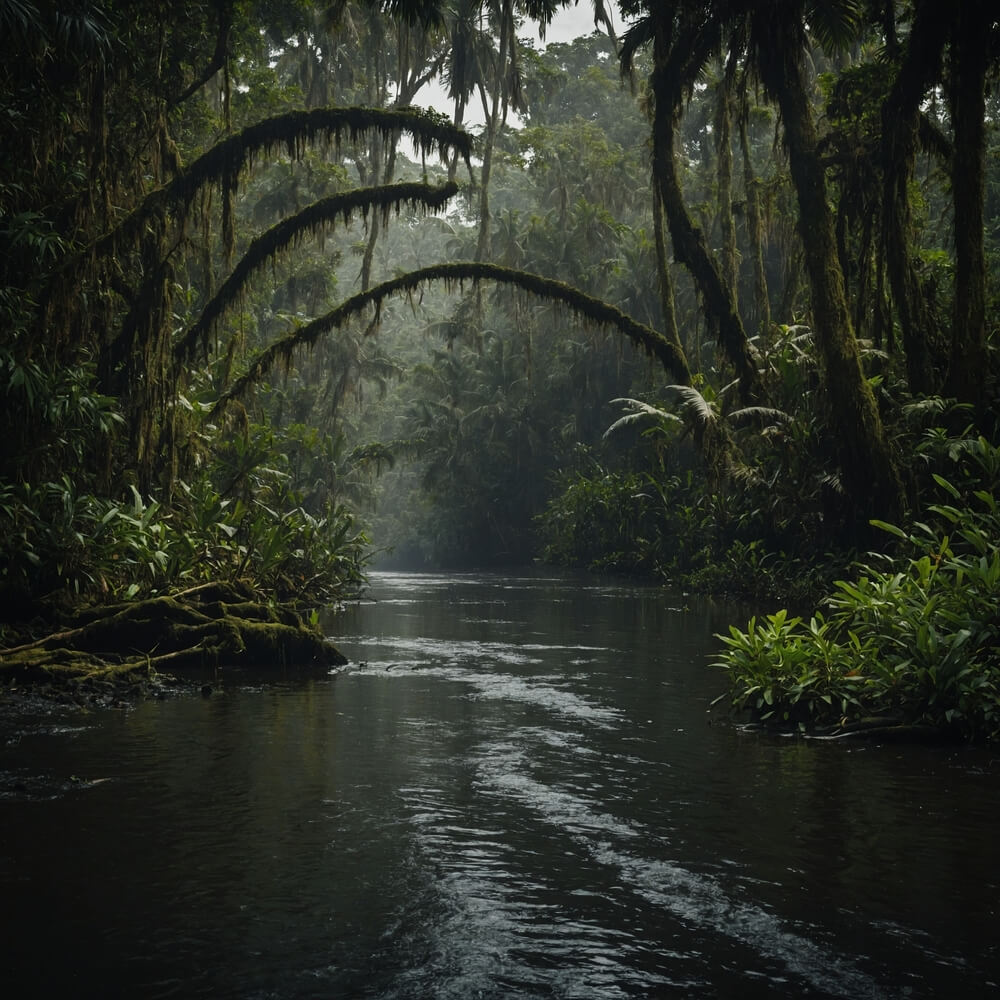
Towering trees draped in vines, the distant calls of monkeys echoing through the canopy, colorful birds moving between fruiting branches, and an endless palette of green in every direction,this is the landscape that has inspired generations of travelers, scientists, photographers, and nature enthusiasts.
The Tropical Wet Forest is one of Costa Rica’s most important life zones. Defined by abundant rainfall, warm temperatures, and year-round humidity, it provides ideal conditions for life to flourish. From the forest floor to the highest reaches of the canopy, every corner of this ecosystem supports an extraordinary diversity of plants, animals, fungi, and microorganisms.
For many visitors, stepping into a Tropical Wet Forest is their first true encounter with the biodiversity that has made Costa Rica famous around the world.
Water is the defining force behind this ecosystem.
Unlike regions that experience a pronounced dry season, Tropical Wet Forests receive substantial rainfall throughout most of the year. In many areas, annual precipitation exceeds 3,000 millimeters, creating an environment where moisture is almost always present.
This abundance of water allows vegetation to grow continuously. Trees remain green year-round, plants produce leaves and fruits in every season, and countless ecological processes unfold without interruption.
The result is a landscape that feels vibrant and alive no matter when you visit.
One of the most striking features is its dense vegetation.
Massive trees compete for sunlight high above the forest floor, forming a canopy that shelters an entire world beneath it. Below, palms, shrubs, ferns, and young trees create multiple layers of habitat, each supporting different forms of life.
Many plants have evolved remarkable adaptations to thrive in this humid environment. Orchids, bromeliads, mosses, and other epiphytes grow on branches and trunks, using the moist air to obtain water and nutrients. Lianas and climbing vines weave their way toward the sunlight, connecting different levels of the forest.
Every available space becomes an opportunity for life.
This vertical complexity is one of the reasons why Tropical Wet Forests support such extraordinary biodiversity.
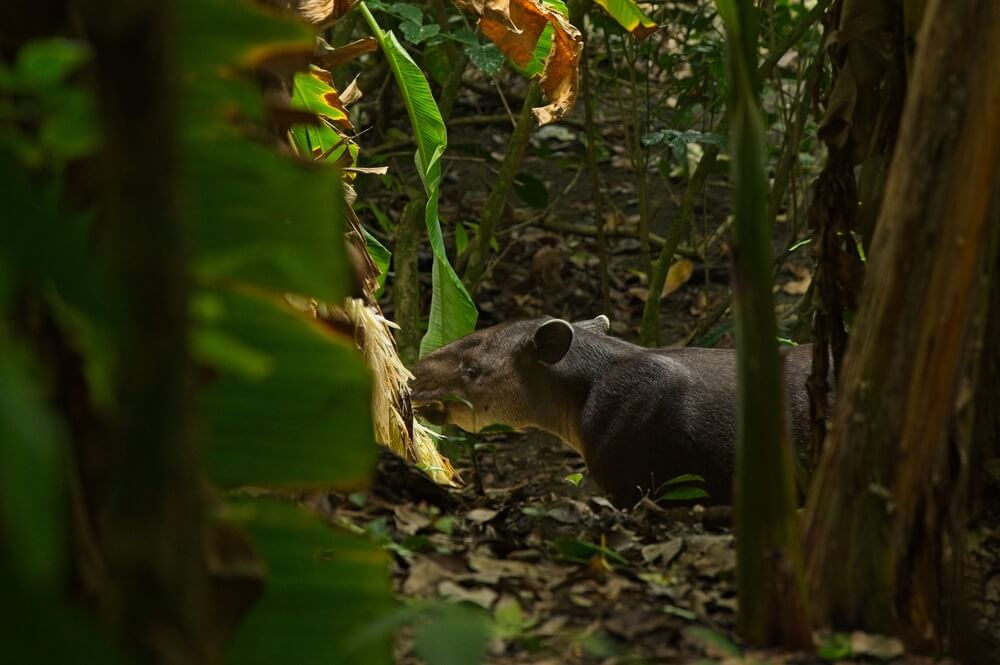
The constant availability of food, water, and shelter makes this zone a haven for wildlife.
Monkeys travel through the canopy searching for fruit, while sloths move slowly among the branches, blending almost perfectly into their surroundings. Toucans, parrots, trogons, and hummingbirds add flashes of color and sound to the forest, while frogs, reptiles, and insects thrive in the humid conditions below.
Many species depend entirely on this ecosystem for survival. Some occupy specific layers of the forest, while others rely on particular plants, fruits, or microhabitats that can only be found in wet tropical environments.
For birdwatchers, photographers, and wildlife enthusiasts, every trail offers the possibility of an unforgettable encounter.
What makes these forests so fascinating is that even the smallest details reveal life at work,from leafcutter ants carrying fragments of vegetation to brilliantly colored frogs hidden among the undergrowth.
Despite its immense productivity, the Tropical Wet Forest depends on a delicate cycle of renewal.
Leaves fall, branches decay, and organic matter accumulates on the forest floor. Yet very little remains there for long. Fungi, insects, bacteria, and other decomposers quickly break down this material, returning valuable nutrients to the soil.
These nutrients are then absorbed by plants, fueling new growth and continuing the cycle.
In many ways, the forest operates as one of nature’s most efficient recycling systems, where every fallen leaf contributes to future life.
The importance of this zone extends far beyond the wildlife that inhabits it.
These forests play a critical role in regulating water cycles, protecting watersheds, reducing erosion, and maintaining healthy river systems. Their vegetation helps absorb rainfall and gradually release water into the environment, benefiting both ecosystems and nearby communities.
They also store significant amounts of carbon, helping to mitigate the effects of climate change while supporting ecological stability across the landscape.
In short, Tropical Wet Forests provide essential services that sustain life both within and beyond their boundaries.
Some of Costa Rica’s most iconic natural destinations are found within this life zone.
Tropical Wet Forests dominate much of the Northern Lowlands, the Caribbean region, and parts of the South Pacific, where rainfall is abundant throughout the year.
Visitors can experience this ecosystem in places such as Tortuguero and Sarapiquí, where dense forests, winding waterways, and abundant wildlife create unforgettable nature experiences. In the Northern Zone, areas surrounding San Carlos, Upala, and the Caño Negro Wildlife Refuge showcase the richness and diversity that thrive under these wet conditions.
Further south, the Osa Peninsula offers some of the finest examples of Tropical Wet Forest in Costa Rica. Protected areas such as Corcovado National Park preserve vast tracts of habitat and support one of the highest concentrations of biodiversity in the country.
Together, these landscapes demonstrate why the Tropical Wet Forest remains one of Costa Rica’s most valuable and biologically important ecosystems.
The Tropical Wet Forest is far more than a beautiful destination.
It is a living network of relationships that supports biodiversity, regulates water resources, stores carbon, and provides habitat for thousands of species. Every tree, stream, and patch of vegetation contributes to a larger ecological system that has evolved over countless generations.
While much of Costa Rica’s Tropical Wet Forest remains protected, conservation efforts continue to play a vital role in safeguarding these ecosystems for the future.
By preserving these forests, we protect not only wildlife, but also the natural processes that sustain healthy landscapes throughout the country.
The Tropical Wet Forest represents one of the most vibrant expressions of life in Costa Rica.
It is a place where growth never truly stops, where wildlife thrives in astonishing variety, and where every trail offers an opportunity to witness the complexity of nature firsthand.
Whether you’re listening to the dawn chorus of birds, searching for wildlife hidden among the trees, or simply admiring the countless shades of green that surround you, the Tropical Wet Forest reveals why Costa Rica has become one of the world’s most celebrated destinations for nature and conservation.
In a country defined by biodiversity, few ecosystems better capture the spirit of Costa Rica’s wild places than the Tropical Wet Forest—a landscape where life flourishes in every direction and where every visit offers something new to discover.
©2024 - 2026 GoNat Tour Operator, by Luzk. All Right Reserved